Chardham Yatra Package from Delhi
Explore Tours
12-Day Chardham Yatra from Delhi covering Yamunotri, Gangotri, Kedarnath and Badrinath with comfortable travel, hotels and guided pilgrimage.
Included/Exclude
Tour Amenities
Tour Plan
Why a Chardham Yatra from Delhi Needs 12 Days (Not Less)
Short-duration Char Dham itineraries often look attractive online, but they rarely reflect on-ground Himalayan realities, especially when starting from Delhi. A 12-day structure is not about extending the trip unnecessarily — it is about protecting the pilgrim.
1. Long-Distance Arrival Needs Recovery Time
Pilgrims arriving in Delhi from far-off cities have already spent:
-
Multiple flight hours crossing the country, or
-
Overnight train journeys with limited sleep
Immediate mountain travel without proper rest increases fatigue and health risks significantly.
2. Haridwar and Rishikesh Play Different Roles
-
Haridwar acts as the spiritual and physical entry point, setting the tone
-
Rishikesh provides closure and recovery after completing the yatra
Including both is especially important for pilgrims transitioning from busy urban life into and out of the Himalayas.
3. Kedarnath Requires Recovery, Not Rush
The Kedarnath phase is the most physically demanding part of the entire yatra. Allowing buffer time here helps prevent:
-
Exhaustion-related health issues
-
Unsafe return travel in darkness
-
Cascading delays in later stages of the journey
4. Weather & Road Conditions Are Unpredictable
When starting and ending in Delhi, additional margin is essential to manage:
-
Sudden weather disruptions in mountainous areas
-
Landslide-prone routes that may cause delays
-
Return travel commitments like flights or trains from Delhi
A compressed schedule leaves no room for these ground realities. For pilgrims coming from outside Uttarakhand, a 12-day Char Dham Yatra from Delhi is not slower — it is safer, calmer, and far more sustainable.
Understanding the Chardham Route When You Start from Delhi
When the Chardham Yatra begins from Delhi, the route is not chosen randomly or for distance convenience. It follows a physiological and spiritual progression that becomes even more important for pilgrims arriving from long-distance cities.
Yamunotri Comes First – Preparing the Body
The yatra starts with Yamunotri because it introduces:
-
Controlled physical exertion through gentle trekking
-
Manageable altitude for initial acclimatization
-
Short trekking exposure without overexertion
For pilgrims coming from plains or metropolitan cities, this phase allows the body to adjust gradually before more demanding terrain.
Gangotri Follows – Settling the Mind
Gangotri is placed second to reduce physical stress while increasing mental calm. The surrounding valleys and river flow create a slower rhythm, helping pilgrims recover from early fatigue without breaking momentum.
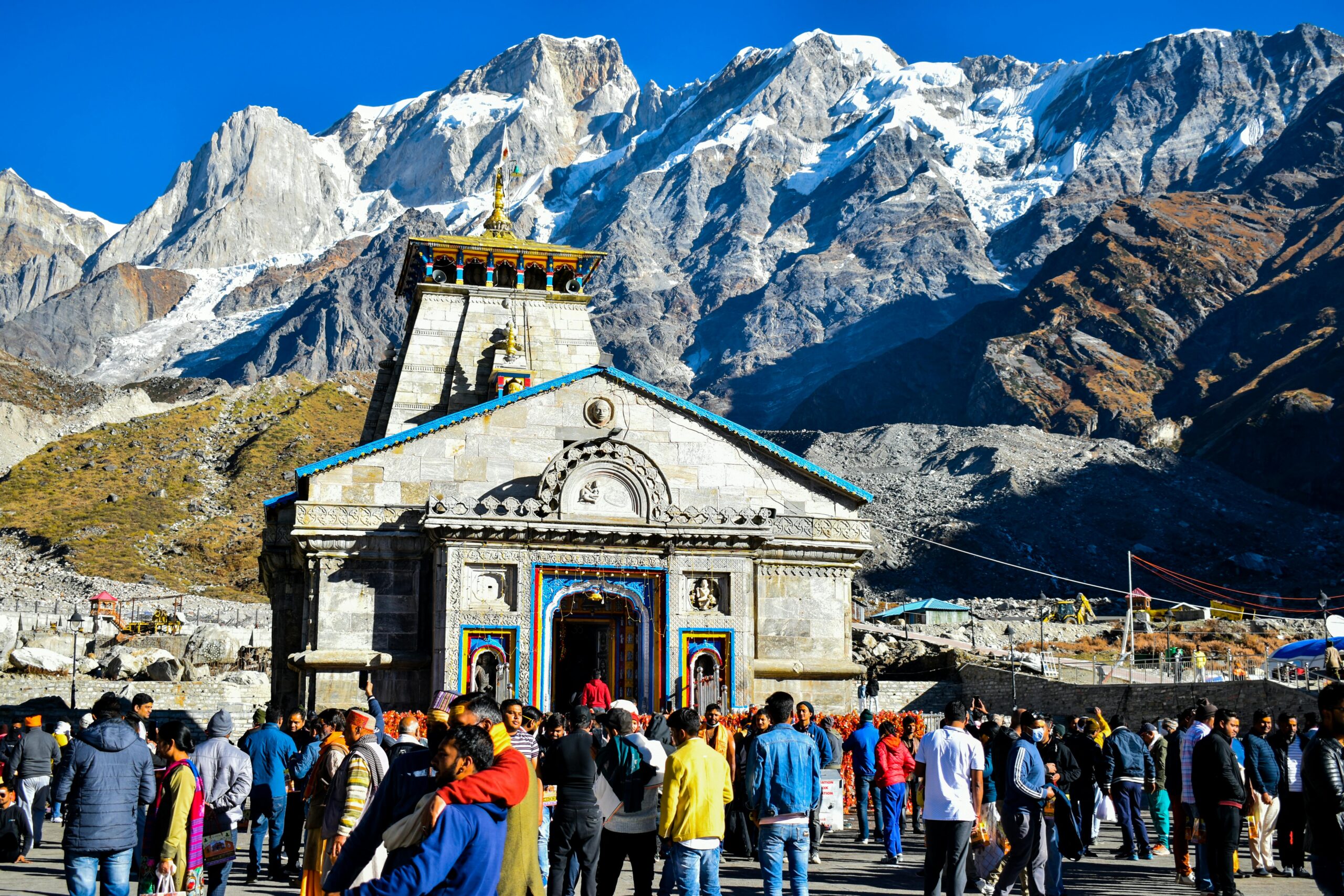
Kedarnath Comes Third – The Test Phase
Kedarnath is intentionally positioned after preparation and acclimatization. By this stage, pilgrims are better equipped to handle:
-
Higher altitude challenges
-
Colder mountain conditions
-
Longer physical effort required for darshan
Starting Kedarnath earlier in the route often leads to exhaustion — especially for travelers who have already spent long hours reaching Delhi.
Badrinath Is Last – Completion, Not Effort
Badrinath marks closure rather than challenge. Ending the yatra here allows pilgrims to absorb the journey calmly, without the pressure of further trekking or extreme altitude.
This route sequence is particularly important when the journey begins from a national entry point like Delhi, where pilgrims arrive with varying travel fatigue levels.
What Makes the Delhi-Based Chardham Yatra Different
Delhi vs Haridwar Start
Starting directly from Haridwar works best for pilgrims already living nearby. However, for travelers coming from South, West, or East India, reaching Haridwar often involves:
-
Limited train availability from their home cities
-
Overcrowded routes during peak yatra season
-
Rigid travel timing with fewer options
Delhi, on the other hand, allows:
-
Flexible arrival options from anywhere in India
-
Better coordination for group travel
-
Overnight rest before entering Uttarakhand
This makes the transition into the mountains smoother and safer for long-distance travelers.
Delhi vs Dehradun Start
While Dehradun has its own airport, it is not always practical for long-distance pilgrims. Flights are fewer, weather-dependent, and significantly costlier during the yatra season.
Delhi offers:
-
Multiple daily flights from all major Indian cities
-
Better buffer management for delays
-
Easier regrouping if flights or trains arrive at different times
For pilgrims traveling across states, a Delhi-based start is not longer — it is more controllable.
Ganga Aarti in Haridwar & Rishikesh: Why It Matters
One of the most overlooked strengths of a Delhi-based Chardham Yatra is the inclusion of two Ganga Aartis, each serving a different purpose.
Haridwar – Mental Transition into Pilgrimage
After long-distance travel, pilgrims arrive with mental noise — deadlines, travel fatigue, and routine stress. The Ganga Aarti in Haridwar helps create a clear psychological shift from travel mode to yatra mode.
This grounding is especially important for pilgrims arriving from:
-
Large metropolitan cities with busy lifestyles
-
Corporate environments with constant screen time
-
Long train or flight journeys across the country
Rishikesh – Emotional Closure After Completion
Ending the yatra in Rishikesh provides space for reflection rather than rush. After Kedarnath and Badrinath, pilgrims often need time to absorb the experience before returning to city life.
For Delhi-based journeys, this closure reduces:
-
Emotional fatigue after an intense pilgrimage
-
Physical strain during return travel
-
Abrupt transition back into daily routine
This is why the Haridwar–Rishikesh framing works especially well for pilgrims starting and ending in Delhi.
Who Should Choose This Chardham Yatra Package from Delhi
deal For:
-
Families traveling from Delhi NCR or other Indian cities
-
Corporate professionals coordinating limited leave periods
-
Elderly pilgrims needing structured pacing with adequate rest
-
First-time yatris unfamiliar with Himalayan travel conditions
This structure prioritizes predictability, rest, and adjustment time over speed.
Not Ideal For:
-
Travelers seeking ultra-fast completion in fewer days
-
Helicopter-only itineraries looking for shortcuts
-
Luxury-focused sightseeing trips expecting hotel comforts
Honest segmentation improves safety and overall satisfaction for everyone.
Travel, Stays & Reality for Delhi Pilgrims in the Himalayas
Pilgrims starting from Delhi must be prepared for real Himalayan travel conditions, not city-based expectations.
Long Drives Are Inevitable
Mountain routes involve slower speeds, weather interruptions, and variable road conditions. Planning focuses on manageable daily travel, not distance alone.
Accommodation Is Location-Driven
In remote areas, hotels are chosen for:
-
Safety and security considerations
-
Proximity to temples or main routes
-
Availability during peak season months
Star ratings matter less than reliability and location.
Network Connectivity Is Limited
Mobile signals are inconsistent across large sections of the route. Pilgrims should plan communication accordingly and inform family members in advance.
Planning Matters More Than Comfort
In a Delhi-based Chardham Yatra, success depends more on:
-
Route timing and sequencing
-
Rest placement between long drives
-
Buffer days for weather contingencies
Than luxury amenities or hotel star ratings.
Chardham Yatra Package from Delhi – Cost Logic (Not Price)
A Chardham Yatra that starts and ends in Delhi naturally follows a different cost structure than trips beginning closer to the mountains. Understanding this logic helps pilgrims make informed decisions rather than comparing prices blindly.
Why Delhi-Based Yatra Costs More Than a Haridwar Start
When the journey begins from Delhi, the travel scope expands significantly. The vehicle, driver, and operational support are engaged for a longer total duration, not just the Himalayan circuit.
Key factors include:
-
Extended road distance (Delhi → Haridwar → Char Dham → Delhi)
-
Additional driver working days, including rest and night halts
-
Fuel costs across both plains and mountain terrain
-
Return journey logistics, which are not required in Haridwar-only starts
This additional planning ensures continuity, safety, and accountability throughout the journey.
Seasonal Pricing Logic
Char Dham Yatra costs are not fixed year-round. Pricing varies based on:
-
Peak yatra months (May–June) with highest demand
-
Post-monsoon window (September–October) with pleasant weather
-
Hotel availability in remote regions during rush periods
-
Road and weather conditions affecting total travel time
Rather than focusing on a single number, it is more accurate to understand that Delhi-based packages reflect complete end-to-end responsibility, not just temple-to-temple transport.
Before You Book: What Delhi Travelers Must Understand
Pilgrims starting the Char Dham Yatra from Delhi often travel long distances before the yatra even begins. Preparing for this reality makes the journey safer and more fulfilling.
Important considerations:
-
Physical fitness matters more than age; basic walking ability and stamina are essential
-
Weather delays are common in the Himalayas and can alter plans without notice
-
Leave planning should include buffer days beyond the scheduled itinerary
-
Buffer days are crucial when returning to Delhi, especially for working professionals
Accepting these factors in advance prevents stress and disappointment during the yatra.